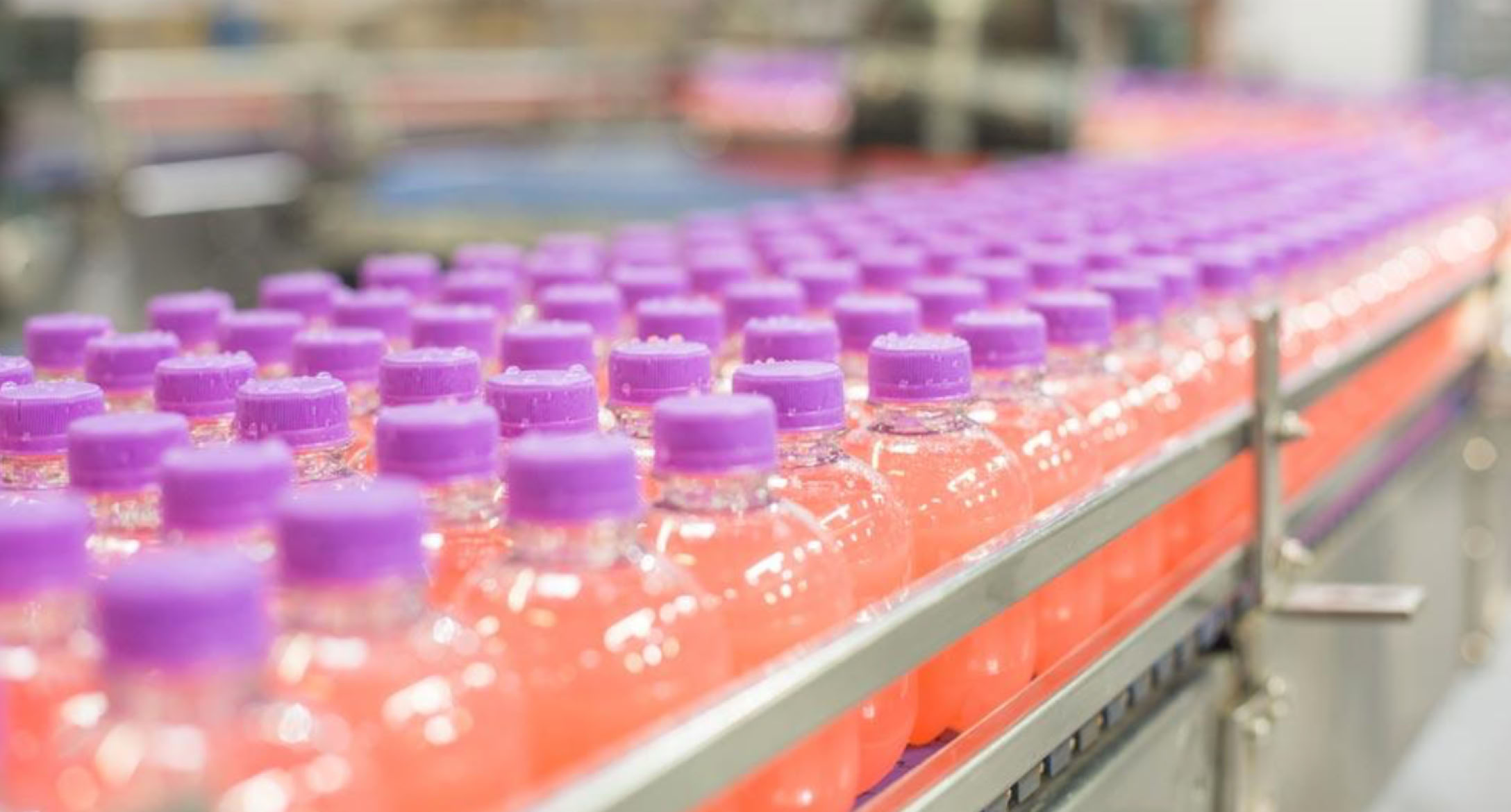
Protecting Flavors, Colors, and Actives
At Nutrition Laboratories, our processing systems are designed to maximize product safety while helping preserve the flavor, color, aroma, and functional ingredients that define a premium beverage.
The result is a product that tastes fresher, looks brighter, and maintains the performance consumers expect from a high-quality brand.
Benefits of Our Processing System
Bright, fresh flavor and aroma
Better retention of colors and functional ingredients
Long-term shelf stability
No “cooked” taste from excessive heat exposure
As one reviewer told us: “You have an excellent, professional setup—it places your operation at the high end of beverage safety and quality control.”
Three Processing Approaches
Working closely with our Process Authority, Deibel Laboratories, we have developed multiple validated processing methods designed to balance safety, shelf stability, packaging requirements, and ingredient protection.
Our primary system uses HTST (High-Temperature Short-Time) pasteurization — widely regarded as the gentlest commercial pasteurization method because it minimizes overall heat exposure.
Depending on the beverage and packaging requirements, we then use one of four validated finishing methods.
1. Hot-Fill with Immediate Inversion
This method sterilizes both the beverage, bottle and the closure immediately after filling, eliminating the need for preservatives in many formulations.
Benefits include:
Strong microbial protection resulting in long shelf stability
Excellent retention of flavor and functional ingredients
Ideal for glass packaging
2. Crash Cooling and Cold-Fill
Some packaging formats, such as PET and HDPE bottles, cannot tolerate hot-fill temperatures without deforming.
In these cases, we rapidly cool the beverage immediately after HTST pasteurization and cold-fill the product at room temperature. This method requires preservatives and a pH of 3.3 or below.
Benefits include:
Allows use of lightweight plastic packaging
Excellent flavor retention
Reduced thermal stress on ingredients
Maintains bright colors and fresh taste
3. Modified Batch Pasteurization
Some functional beverages—especially products containing proteins or other heat-sensitive ingredients—require lower processing temperatures with longer hold times to achieve commercial sterility.
Traditional batch pasteurization slowly heats the entire tank of product and then holds it at temperature. While effective for safety, this can expose the beverage to extended heat, potentially affecting flavors, colors, and sensitive actives.
Our new modified batch system takes a more gentle approach.
Instead of slowly heating the full batch, we first flash-pasteurize the beverage and then immediately transfer it into a controlled holding system where it remains at temperature only for the required validation time.
This approach significantly reduces total heat exposure while still achieving validated microbial safety standards.
Advantages of the Modified System
More gentle on proteins and sensitive ingredients
Better preservation of flavor and aroma
Improved color stability
Reduced “cooked” flavor notes
Commercially validated safety and shelf stability
For many functional beverages, this creates an important balance between microbial protection and ingredient preservation.
Microbial Safety
Our HTST processing system is validated to deliver a minimum 5-log (99.999%) reduction of pathogens including:
Salmonella
E. coli
Listeria
It also effectively controls common spoilage organisms such as yeast and mold while minimizing overall heat exposure.
Because these beverages are acidic, harmful spores such as C. botulinum are naturally inhibited, allowing us to avoid the far more aggressive heat treatments required for higher-pH products.
This process provides:
Commercial sterility
Shelf life validation by our Process Authority
Minimum 24-month shelf stability for qualifying products
Reduced flavor and color degradation compared to prolonged heat
processing
Preserving Nutrients and Functional Ingredients
Extended heat exposure is one of the primary causes of degradation in vitamins, antioxidants, botanicals, proteins, and other functional ingredients.
Our system minimizes this exposure through:
Very short pasteurization residence times
Immediate hot-fill or rapid crash cooling
Closed-system processing with reduced oxygen exposure
This helps maintain the integrity of sensitive ingredients while supporting long-term product stability.
Protecting Flavor Aroma
Heat is one of the main causes of flavor loss in beverages, especially with delicate volatile compounds such as:
Terpenes
Esters
Aldehydes
Essential-oil notes
Our processing approach helps preserve these compounds through:
Short exposure times during pasteurization
Immediate cooling or filling after processing
Controlled headspace management to reduce aroma loss
The result is a cleaner, fresher taste profile that remains stable over time.
Color and Physical Stability
Our closed HTST system also helps protect visual quality by reducing oxidation and minimizing unnecessary thermal stress.
Benefits include:
Better color stability
Reduced browning
Reduced haze formation
Improved clarity in teas and botanical beverages
Fresher appearance over shelf life
FDA Compliant Validated Processes
All processing methods are developed and validated with our Process Authority to support compliance with:
21 CFR 108 (FDA process approval process)
21 CFR 110 (GMP regulations for food manufacturing)
21 CFR 111 (GMP regulations for dietary supplements)
21 CFR 114 (Acidified foods manufacturing regulations)
21 CFR 117 (Food safety and preventive controls)
These validated systems are designed to deliver documented commercial sterility while supporting the flavor, appearance, and ingredient profile expected from premium functional beverages.
_________
Technical Note: Our HTST system typically requires only seconds of thermal hold time to achieve validated pathogen reduction. We extend hold times beyond minimum requirements to provide additional safety margin while still maintaining substantially lower total heat exposure than traditional batch or tunnel pasteurization methods.
FDA Beverage Regulations: The FDA’s beverage regulations are built around the principle that safety must be designed into the process — not tested into the finished product afterward. FDA is especially concerned about botulism in beverages because Clostridium botulinum spores can survive in improperly processed low-acid beverages and produce a deadly toxin that is invisible, odorless, and potentially fatal even in extremely small amounts. Unlike spoilage organisms that may create off-odors or visible changes, botulinum toxin can develop without obvious warning signs to the consumer. Because ready-to-drink beverages are often distributed widely and consumed without further cooking, a single processing failure could affect thousands of consumers. For this reason, the FDA requires scientifically validated thermal processes, strict pH controls, Process Authority oversight, and detailed production records for acidified and low-acid beverages to ensure that conditions do not allow botulinum toxin formation.
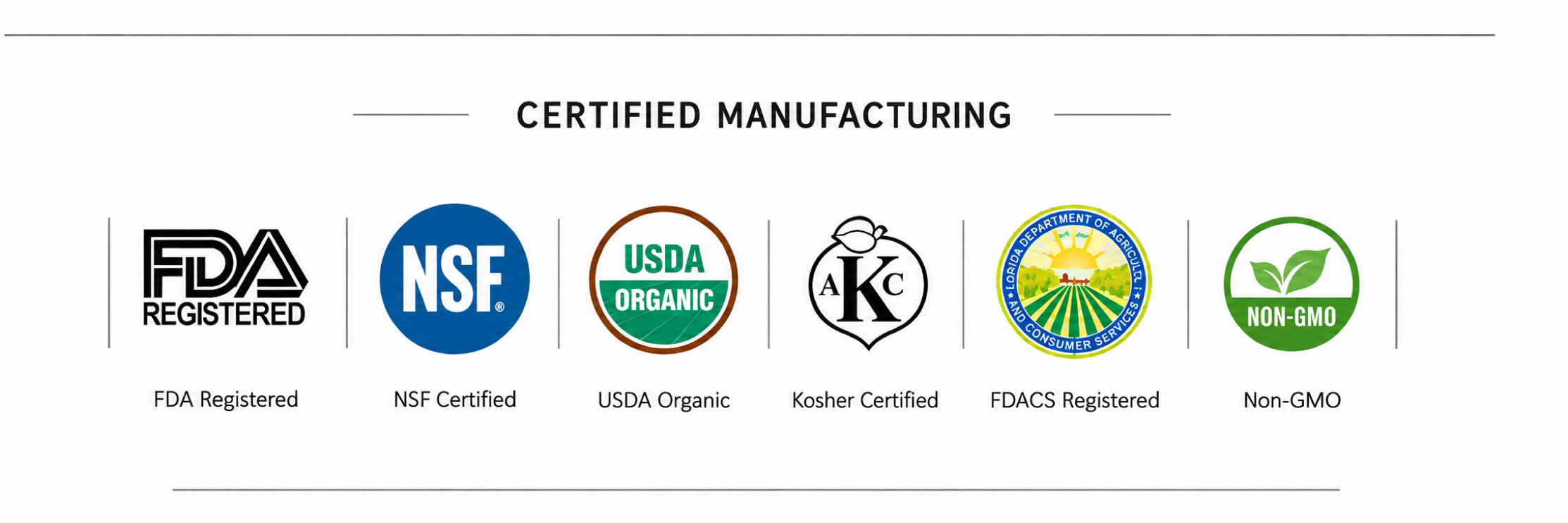
Manufactured in the USA with the highest standards of quality, safety, and compliance.
Terms of Use Privacy Policy Quality Policy Contact Us
© 2026 Nutrition Laboratories, Inc. All rights reserved.